Introduction
Welcome to the Gas Care by Stove-Technica engineering hub. When upgrading your kitchen safety, the appliances are only as good as the infrastructure powering them. Selecting the correct piping material is the single most critical decision you will make when installing a permanent LPG pipeline. Today, we are conducting a technical audit on the three primary materials dominating the market: Copper, Jindal Multi-Layer Composite (MLC), and Jindal Mild Steel (MS).
Jindal MLC vs Copper vs MS: Safest LPG Pipe for Your Home
A gas pipeline is the vascular system of your kitchen. It must withstand internal pressure, resist external environmental degradation, and remain absolutely leak-proof for decades.
Choosing the wrong material can lead to micro-leaks, structural corrosion, and severe safety hazards. Let’s break down the precise engineering applications, benefits, and specifications of each material so you can make the safest, most compliant decision for your property.
The Core Engineering Decision: Residential vs. Commercial
The primary factors dictating your pipe choice are the required operating pressure and the volume of gas demand. You cannot use a domestic pipe for a commercial kitchen, and using a commercial pipe in a residential flat is often unnecessary and prone to maintenance issues.
| Application Type | Operating Environment | Required Pressure | The Gas Care Recommended Material |
| Residential (Homes & Flats) | Low-volume domestic cooking, hidden structural routing, modular kitchens. | Low-Pressure | Copper Pipe or Jindal MLC Pipe |
| Commercial (Restaurants & Industry) | High-volume continuous demand, exposed industrial environments, multiple heavy-duty burners. | High-Pressure (Up to 16 Bar) | Jindal C-Class MS Pipe |
For the vast majority of homeowners upgrading their kitchen infrastructure, the choice rests entirely between the two premium low-pressure solutions: Jindal MLC and Copper.
The Residential Heavyweights: MLC vs. Copper
When running a gas line from an outdoor cylinder bank into a modern modular kitchen, the material must be flexible enough to route cleanly, yet durable enough to prevent any gas permeation.
A. Jindal MLC Pipes (The Modern, Flexible Innovator)
Multi-Layer Composite (MLC) pipes represent a massive leap in pipeline engineering, fusing the structural benefits of metal with the corrosion resistance of high-grade plastic. It is a 5-layer system rapidly becoming the preferred choice for modern modular installations.
- The Diffusion-Tight Core: The central layer of the pipe is a seamless aluminum tube. This acts as an absolute diffusion barrier, preventing gas molecules from permeating through the pipe walls, ensuring maximum long-term safety.
- Extreme Flexibility: Unlike rigid steel, MLC can be easily bent around corners by hand or with a simple bending spring. This significantly reduces the number of elbow joints required. In pipeline engineering, fewer joints mean fewer potential leak points.
- Corrosion Resistance: The inner and outer layers of polyethylene protect the aluminum core from moisture, rust, and chemical corrosion, ensuring a clean gas flow and a pristine exterior.
- Flame-Free Installation: MLC pipes do not require high-temperature welding or soldering. They are joined using highly specialized EZ-Fit compression fittings. This allows for a rapid, clean installation process inside finished kitchens without the fire hazards of an open-flame torch.
B. Copper Pipes (The Traditional, Indestructible Standard)
Copper pipes have been the undisputed industry standard for fixed domestic gas systems globally. It is a legacy material chosen for its raw, unyielding durability.
- Superior Environmental Resilience: Copper is naturally immune to rust. In highly humid, coastal environments like Kerala, where airborne moisture and heavy monsoons degrade iron rapidly, copper remains structurally perfect for decades. It is the ultimate choice for damp areas or exterior wall runs.
- Permanent Brazed Joints: Copper sections are joined using a high-temperature soldering process called brazing. This melts a filler metal into the joint, creating a robust, permanent, molecular seal that is exceptionally leak-proof and can withstand significant physical impact.
- Aesthetic Discretion & Rigidity: Copper is highly malleable yet retains rigid, perfectly straight lines once installed. This allows technicians to route it neatly along skirting boards or cleanly integrate it behind red aluminum composite panels for a flawless architectural finish.
The Architectural Dilemma: Concealed vs. Exposed Routing
When spending lakhs on a premium modular kitchen, no homeowner wants a highly visible, industrial pipe ruining the aesthetic. But can you legally and safely hide a gas line? Yes, if you use the correct material.
- Exposed Routing (The Copper Standard): For exterior walls or utility areas, pipelines should remain exposed. Copper is the only material we recommend here. Its rigid, perfectly straight lines look highly professional, and it will never rust in the monsoon rain.
- Concealed Routing (The MLC Advantage): If you are running the pipe behind expensive modular cabinets, false ceilings, or composite paneling, Jindal MLC is the undisputed champion.
- The Gas Care Safety Rule: When concealing a pipeline, you must minimize joints. Because MLC is a continuous, bendable roll, our technicians can route it behind your entire kitchen without a single joint or fitting hidden in the wall. This completely eliminates the risk of an undetected micro-leak building up inside a closed cabinet.
The Industrial Giant: Jindal C-Class MS Pipe
For heavy-duty applications, we turn to Mild Steel. Specifically, Jindal C-Class MS Pipes.
- High-Pressure Tolerance: C-Class pipes feature a significantly thicker wall architecture compared to standard A or B-Class pipes. This structural robustness is mandatory for handling the aggressive operating pressures (often up to 16 bar) required by large commercial setups with continuous gas flow.
- Structural Integrity (IS 1239): Manufactured to stringent Indian Standards, these pipes offer maximum physical durability against blunt force and industrial wear-and-tear.
- The Residential Caveat (Why We Avoid It For Homes): While C-Class MS pipes can technically be used for residential outdoor runs, they are massively over-specified for low domestic pressure. More importantly, mild steel is highly susceptible to rust. Unless heavily galvanized and continuously painted with anti-corrosive coatings, the high humidity of coastal regions will degrade the pipe exterior. Copper or MLC is definitively the cleaner, lower-maintenance choice for residential lines.
The 2026 Cost Economics: Copper vs. MLC
A common question at the Gas Care showroom is, “How much more expensive is copper compared to modern MLC?” While exact pricing depends on the layout of your home, here is the baseline economic reality for a standard 10-meter domestic pipeline installation in 2026:
| Expense Category | Professional Copper Pipeline | Jindal MLC Pipeline |
| Material Cost | High: Copper is a globally traded premium metal. Expect higher per-meter pricing. | Medium: Highly cost-effective material, though the specialized EZ-Fit brass fittings add to the base cost. |
| Labor & Installation Time | High: Requires specialized, time-consuming high-temperature brazing and precise 90-degree elbow fittings. | Low: The high flexibility of MLC allows for rapid, bendable routing. Installation is incredibly fast. |
| Maintenance Cost (10 Years) | Zero: Once brazed, copper is virtually maintenance-free and immune to coastal rust. | Zero: The outer polyethylene layer prevents any environmental degradation. |
| The Gas Care ROI Verdict | The Lifetime Investment. Costs more upfront but delivers a 50+ year lifespan. | The Smart Budget Choice. Lower labor costs make this highly attractive for modern modular builds. |
The 2026 Gas Care Deployment Matrix
Choosing between Copper and MLC ultimately depends on the specific architecture of your home and your budget.
| Your Installation Scenario | The Gas Care Recommendation | The Engineering Justification |
| High-Humidity / Coastal Exterior Run | Copper Pipe | Unmatched natural resistance to rust and atmospheric moisture degradation. Will easily last 50+ years. |
| Complex Modular Kitchen (Concealed) | Jindal MLC Pipe | The flexibility allows the pipe to be woven behind cabinets with minimal joints, drastically speeding up installation time and reducing costs. |
| Restaurant / Heavy Commercial Setup | Jindal C-Class MS | The thick-walled steel is structurally mandated to handle the high volume and pressure of commercial regulator banks. |
| The Premium Heritage Build | Copper Pipe | Delivers fixed, perfectly straight aesthetic lines and utilizes permanent brazed joints for maximum physical security. |
The Gas Care Expert FAQs: Choosing Your LPG Pipeline Material
When clients consult with our Stove-Technica engineers for a new modular kitchen or a safety upgrade, the conversation inevitably turns to piping materials. The structural integrity of your gas line is not something to compromise on. Here are the most critical engineering questions regarding Copper, MLC, and MS pipes, answered directly by our technical team:
Q: Which pipe material is considered the absolute safest for a residential LPG pipeline?
A: For low-pressure residential installations, both Copper Pipe and Jindal Multi-Layer Composite (MLC) Pipe are the safest and most optimal choices. They are heavily preferred over Mild Steel (MS) for interior domestic lines due to their superior corrosion resistance and lack of threaded joints, which minimizes potential micro-leak points inside your home.
Q: Jindal MLC pipes are marketed as “diffusion-tight.” What does this actually mean for my safety?
A: “Diffusion-tight” refers to the pipe’s ability to prevent gas molecules from passing through the material wall over time. Jindal MLC pipes feature a unique 5-layer construction with a solid aluminum core in the center. This metal core acts as an impenetrable barrier, ensuring absolutely zero gas permeation, which guarantees maximum long-term safety in enclosed kitchen spaces.
Q: Why does Gas Care highly recommend Copper pipes specifically for homes in Kerala?
A: Kerala features a highly humid, coastal climate with heavy monsoons. Traditional iron or steel pipes will inevitably suffer from atmospheric oxidation (rusting) in this environment, especially when routed along exterior walls. Copper is naturally immune to rust. It maintains its structural integrity and leak-proof nature for decades, making it the ultimate weather-resistant choice.
Q: If Jindal C-Class MS pipes are the strongest, why shouldn’t I use them for my house?
A: It comes down to over-specification and maintenance. Jindal C-Class MS pipes are engineered with massive wall thickness to handle the high volume and extreme pressures (up to 16 bar) of commercial restaurants and industrial setups. For a domestic stove operating at low pressure, MS is unnecessary. Furthermore, MS pipes require continuous external maintenance, galvanization, or anti-corrosive painting to prevent rust—a hassle you avoid entirely with Copper or MLC.
Q: Do Jindal MLC pipes require welding or soldering like Copper pipes do?
A: No, and this is one of their biggest advantages for interior installations. MLC pipes utilize a “flame-free” installation process. However, to guarantee a leak-proof seal, they must be joined using certified EZ-Fit compression fittings. These specialized brass fittings lock onto the pipe mechanically, creating a highly secure joint without the fire hazard of bringing an open-flame brazing torch into your finished modular kitchen.
Q: Which material is better for concealing behind my expensive modular cabinets?
A: Jindal MLC Pipe holds a distinct advantage here due to its flexibility. Because it can be physically bent around corners, we can route it behind your modular cabinets in long, continuous runs with very few elbows or fittings. In pipeline engineering, every joint is a potential point of failure. By reducing the number of joints behind your woodwork, MLC provides a cleaner, safer concealed installation.
Q: What is the expected lifespan of these pipelines once Gas Care installs them?
A: When installed by certified professionals using the correct commercial-grade fittings, these pipelines are generational investments. Copper and Jindal C-Class MS pipes have a proven lifespan of 50+ years. Jindal MLC pipes are similarly engineered for decades of continuous, safe operation. The key to this longevity is ensuring the system undergoes a professional pneumatic pressure test during installation and visual inspections annually.
People Also Ask (PAA) – LPG Piping Materials
Which is better for a kitchen gas line: Copper or MLC pipe?
Both are premium, highly safe materials, but they serve different architectural needs. Copper is the absolute best choice for exterior runs, coastal climates, and heritage aesthetics due to its unmatched rust immunity and rigid brazed joints. Multi-Layer Composite (MLC) pipe is the best choice for modern, concealed modular kitchens because its flexibility allows for long, continuous runs with zero joints behind the cabinets.
Can I use UPVC, CPVC, or PVC pipes for domestic LPG? Absolutely not.
This is a critical safety violation. Plastic water pipes like PVC or UPVC are not chemically compatible with Liquefied Petroleum Gas. The gas will chemically degrade the plastic over time, making it brittle and highly prone to sudden rupture. Always use certified Copper, Jindal MLC, or MS steel for gas lines.
Are Jindal MLC pipes safe from rat bites?
Yes. While the outer layer of an MLC pipe is polyethylene, the core is a solid, seamless layer of aluminum. This metal barrier makes the pipe completely impenetrable to rats, cockroaches, and other household pests, ensuring your concealed gas lines remain perfectly intact.
Is it safe to conceal a gas pipeline inside a concrete wall?
Engineering standards generally advise against completely burying gas lines inside solid concrete (chasing) because if a micro-leak occurs, the gas can saturate the porous wall cavity. If a pipeline must be concealed behind modular woodwork or false ceilings, Jindal MLC is the preferred material because it can be bent to route through the space without requiring any hidden joints, virtually eliminating the risk of an enclosed leak.
How much does an LPG copper pipeline cost compared to MS pipe?
Copper is a globally traded premium metal, making it significantly more expensive upfront than standard Mild Steel (MS) piping. Furthermore, copper requires specialized labor for high-temperature brazing. However, because copper never rusts and lasts for 50+ years, it eliminates the continuous maintenance, painting, and replacement costs associated with MS pipes, making it the most cost-effective solution over the lifespan of your home.
The Final Engineering Verdict
The safety of your residential LPG pipeline does not just rely on the material; it relies entirely on execution. Both Jindal MLC and Copper provide exceptional, commercial-grade safety for your home. Copper remains the king of absolute longevity and rust-immunity, while Jindal MLC offers rapid, joint-free flexibility that is revolutionizing modular kitchen installations.
Do not leave your home’s infrastructure to chance or an unqualified local plumber. Always insist on certified materials and rigorous pneumatic pressure testing before commissioning any gas line.
The Gas Safety: Why Local Plumbers Fail
Selecting premium Jindal MLC or heavy-duty Copper means nothing if the execution is flawed. A residential gas pipeline is a pressurized explosive system; it is not a water pipe. Do not allow a local plumber to install your LPG line.
At Gas Care by Stove-Technica, we strictly adhere to domestic safety standards:
- Material Compliance: We exclusively utilize IS-certified copper tubing and Jindal-certified Multi-Layer Composite pipes. We absolutely refuse to install hazardous PVC or standard water pipes for gas.
- The Pneumatic Pressure Test: This is the most critical step that local handymen skip. Before we ever connect an LPG cylinder, our experts cap the pipeline and inject high-pressure air into the system. We monitor a pressure gauge for 30 minutes. If the needle drops even a millimeter, a micro-leak exists, and the joint is redone.
- Certified Fittings Only: For MLC pipes, we use only the manufacturer-mandated EZ-Fit compression fittings, ensuring a flawless mechanical seal every single time.
Ready to transform your home with a superior, professionally installed Gas Pipe Line?
Contact us today for a free consultation.
Explore Our Work
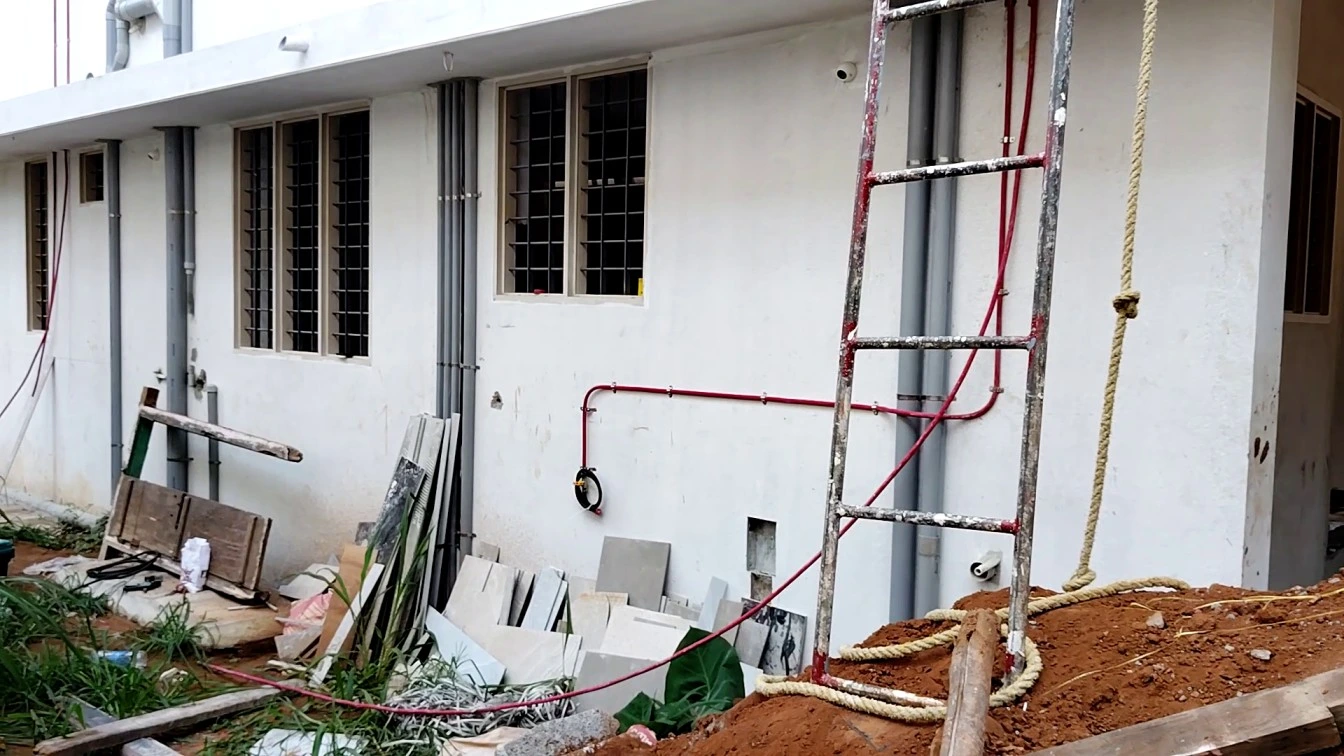
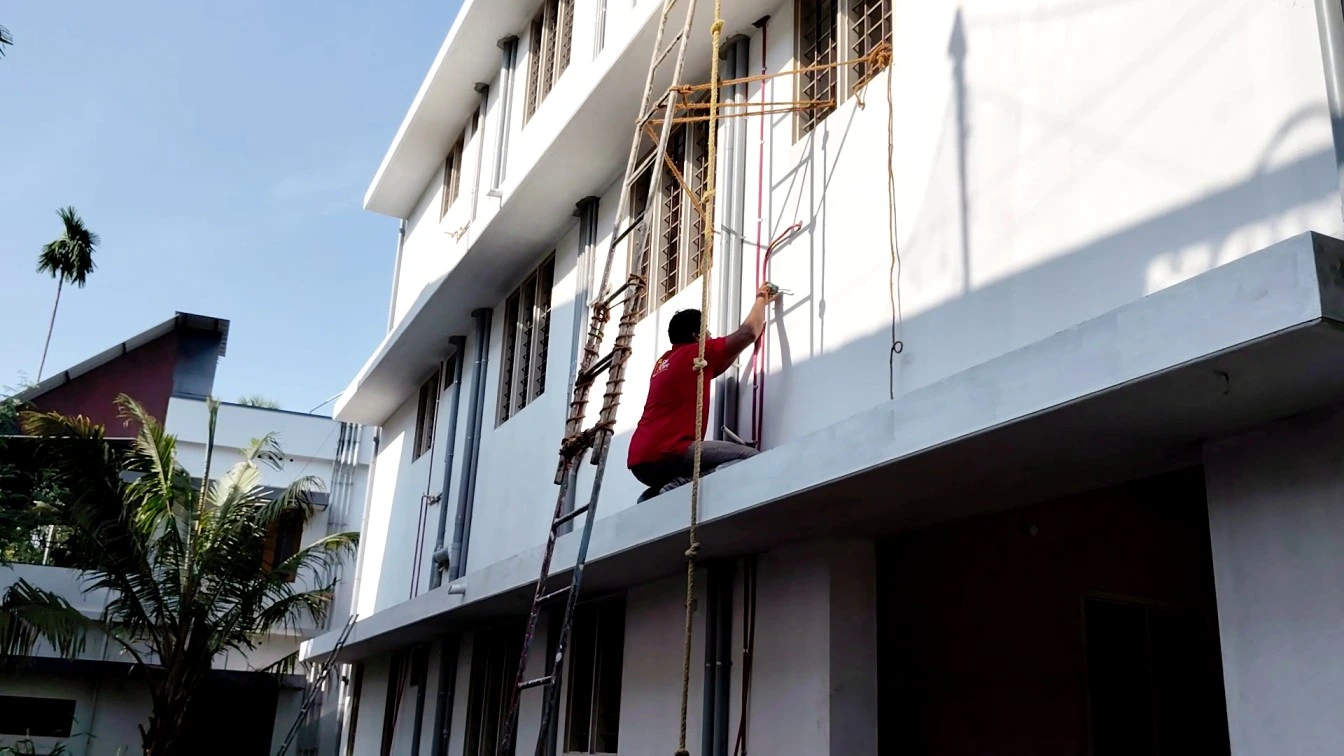
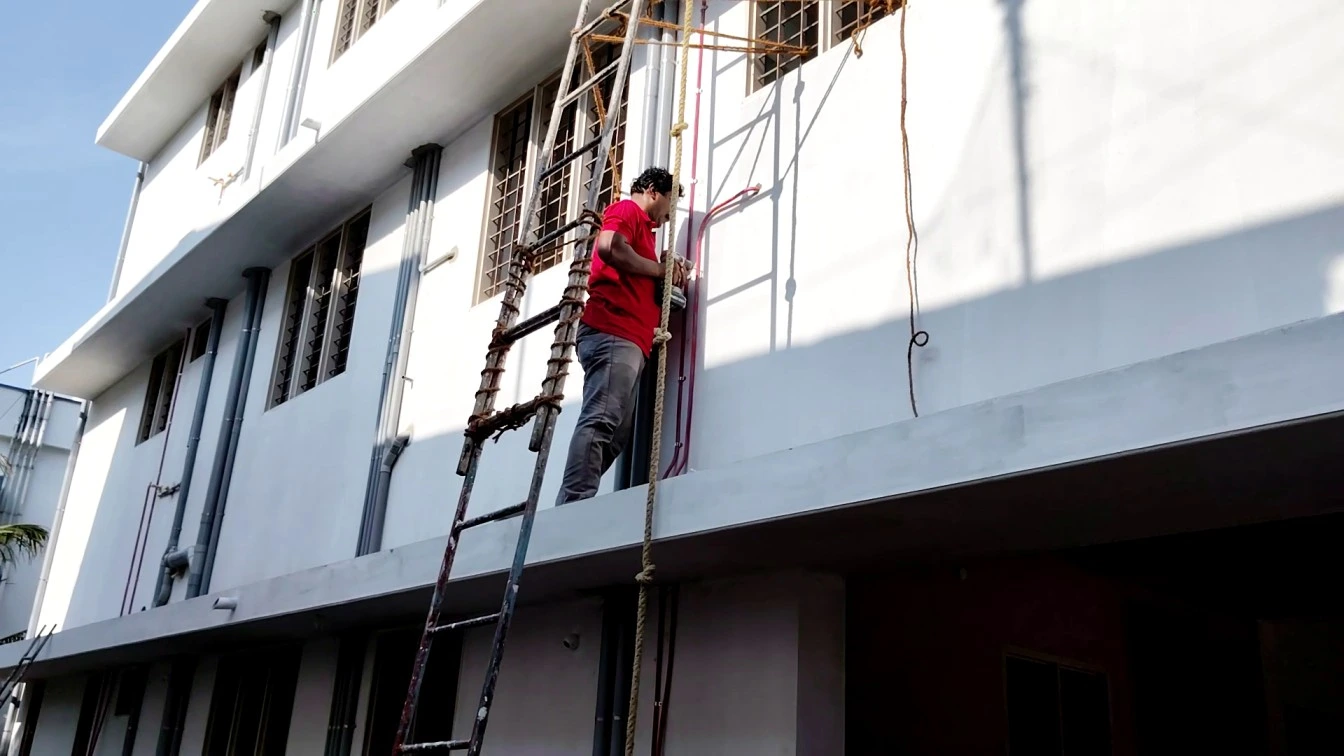
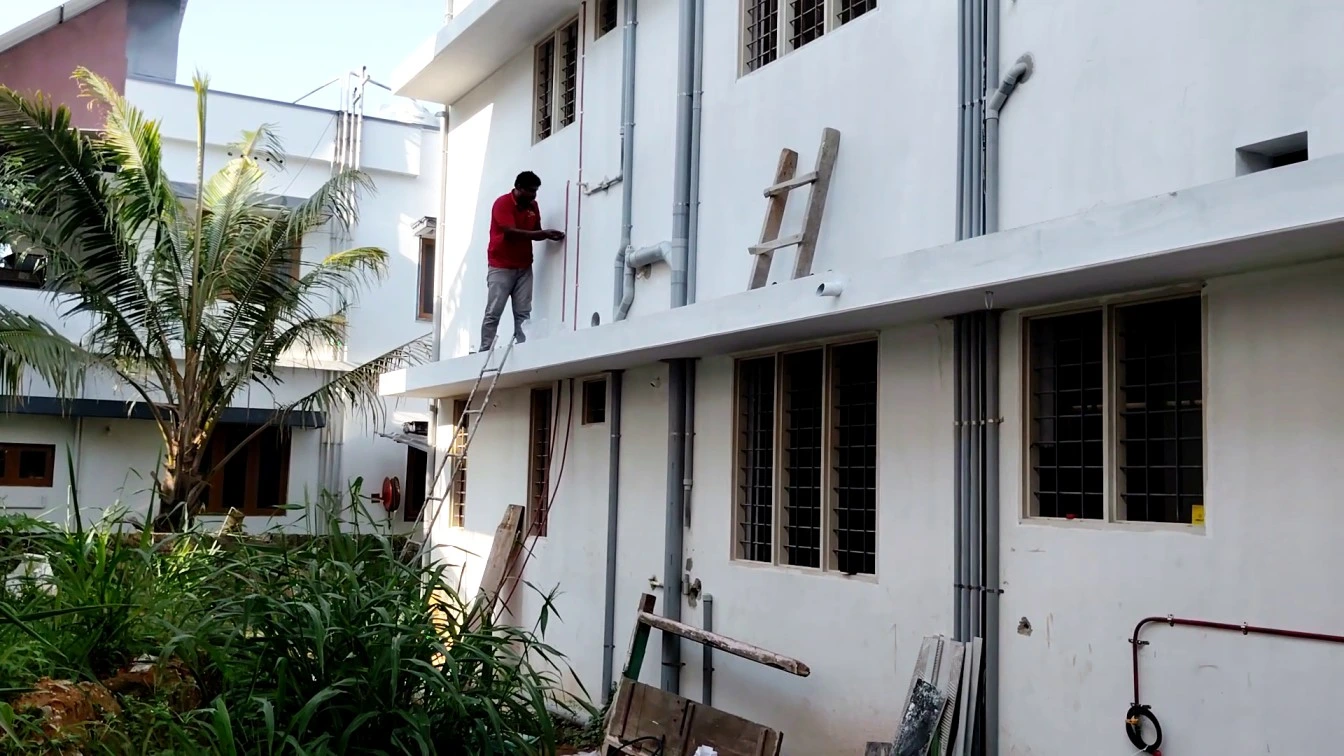
Don’t just take our word for it—see the quality of our installations for yourself. Our portfolio showcases a variety of residential and commercial projects, demonstrating our commitment to precision, safety, and a flawless finish.
Connect with Gas Care on social media.
Questions? Talk to an Expert
Have questions or need assistance? Our expert team is ready to help. Get in touch with us, and we will provide the support and information you need to make the best decision for your home.