Jindal MLC Pipe for Gas Lines | Flexible & Safe LPG Installation
When planning a modern residential LPG pipeline, homeowners and architects are increasingly looking for materials that balance absolute safety with installation flexibility. While copper remains the premium traditional standard, a new technological frontrunner has revolutionized the market: the Jindal MLC (Multi-Layer Composite) Pipe.
At Gas Care by Stove-Technica, we believe in educating our clients on the best engineering solutions available in India today. Jindal MLC pipe (specifically the PE-AL-PE configuration) bridges the gap between the proven strength of metal piping and the high corrosion resistance of modern polymers.
In this comprehensive, multi-part technical guide, we break down the engineering behind MLC pipes, explain the revolutionary EZ-Fit installation method, and explore why it might be the perfect solution for your home gas line.
The Core Engineering: The PE-AL-PE Advantage
The structural ingenuity of the Jindal MLC Pipe is the foundation of its superior safety profile. It is not just a plastic tube; it is a highly engineered composite material known technically as PE-AL-PE (Polyethylene-Aluminum-Polyethylene).
The Three-Layer Defense System
- The Outer Polyethylene (PE) Layer: This durable, weather-proof outer jacket provides excellent defense against environmental moisture, household chemicals, and salt-laden coastal air. It completely prevents the external rusting and corrosion that typically plagues traditional Mild Steel (MS) pipes.
- The Central Aluminum Core: Securely bonded between the plastic layers is a continuous, overlapped aluminum core. This provides the pipe with its structural mechanical strength, allowing it to hold its shape once bent. More importantly, it makes the pipe diffusion-tight, effectively preventing gases (like oxygen) from permeating the pipe walls, ensuring the purity and security of your gas supply.
- The Inner Polyethylene (PE) Layer: The smooth, non-reactive inner layer prevents internal deposits and degradation, ensuring a consistent, high-efficiency gas flow without the risk of internal pitting or corrosion over its lifespan.
Certified Performance: The IS 17544:2022 Standard
At Stove-Technica, we never compromise on safety compliance. A common misconception is that “plastic pipes” are not meant for gas. However, genuine gas-rated MLC pipes are heavily regulated.
- Bureau of Indian Standards (BIS): Jindal MLC pipes designated for fuel gas strictly conform to IS 17544 : 2022 (Multilayer PE-AL-PE Plastic Piping Systems for Indoor Gas Installations).
- Pressure & Temperature Resilience: This certification guarantees that the pipes are rigorously tested to withstand a maximum operating pressure of up to 500 kPa (5 bar) and typical temperature fluctuations without bursting or degrading. This is significantly higher than the standard pressure required for a domestic LPG kitchen hob, providing a massive built-in safety margin for your home.
The Flexibility Factor: Reducing Risk Through Design
In pipeline engineering, every joint is a potential point of failure. The physical properties of the PE-AL-PE structure drastically reduce this risk.
- Smooth Routing: The aluminum core is designed with the perfect balance of strength and flexibility. Certified technicians can physically bend the pipe to smoothly route it around corners, cabinets, and structural pillars without kinking or damaging its integrity.
- Fewer Joints, Fewer Leaks: Because the pipe can be bent, it eliminates the need for numerous 90-degree elbows and mechanical fittings that rigid steel or copper pipes require. By drastically reducing the total number of joints in your gas line run, the MLC pipe inherently increases the long-term safety and leak-resistance of the entire system.
In previous part,, we explored the innovative PE-AL-PE (Polyethylene-Aluminum-Polyethylene) structure of the Jindal MLC Pipe, its diffusion-tight aluminum core, and its strict adherence to IS 17544:2022 standards.
Now, we dive into the operational side of this technology. We will break down the revolutionary, heat-free EZ-Fit Installation system, expose the dangerous difference between gas-rated and water-rated pipes, and analyze the best routing strategies for your modern kitchen.
The EZ-Fit Installation Revolution (Heat-Free Safety)
Traditional metal pipelines require either heavy threading machines (for Mild Steel) or high-temperature brazing torches (for Copper). The Jindal MLC system completely bypasses both through its proprietary EZ-Fit Installation method.
This relies on highly specialized compression fittings that transform the installation process:
- No “Hot-Work” Required: Because EZ-Fit fittings require no welding, soldering, or brazing torches, the risk of fire or accidental heat damage to your expensive modular cabinetry is completely eliminated. This makes it exceptionally safe for retrofitting gas lines in already furnished kitchens.
- The “Push-and-Tighten” Mechanism: The setup is tool-friendly and clean. A Gas Care technician makes a precise cut using a standard pipe cutter, deburrs the edge, slides the MLC pipe directly into the EZ-Fit compression fitting, and tightens the outer nut.
- The Stove-Technica Warning: While “tool-friendly” sounds like a DIY project, it is absolutely not. The technician must be rigorously trained to ensure the exact straight-insertion depth and optimal torque. Over-tightening can crush the aluminum core, while under-tightening risks a catastrophic “pull-out” leak under pressure.
The Critical Distinction: Gas-Rated vs. Water-Rated MLC
This is the single biggest trap homeowners and budget contractors fall into. MLC pipe technology is also widely used for hot water plumbing and compressed air systems. They are not interchangeable.
- The Chemical Difference: Generic water-use MLC pipes do not have the specialized inner polyethylene grade required to resist the chemical breakdown caused by Liquid Petroleum Gas (LPG).
- The System Synergy: You cannot mix and match. If you are installing a gas line, you must use Gas-Rated Jindal MLC Pipe paired exclusively with Gas-Rated EZ-Fit Fittings. Using third-party water fittings on a gas pipe will eventually result in the internal rubber O-rings degrading, leading to a severe gas leak. At Stove-Technica, we strictly procure and install ISI-approved, gas-specific composite materials.
Routing Strategies: Concealed vs. Exposed Kitchen Lines
How does Jindal MLC perform in the real world of Indian kitchen layouts? Because of its unique flexibility, it excels in both exposed and hidden applications.
The Exposed Routing Advantage
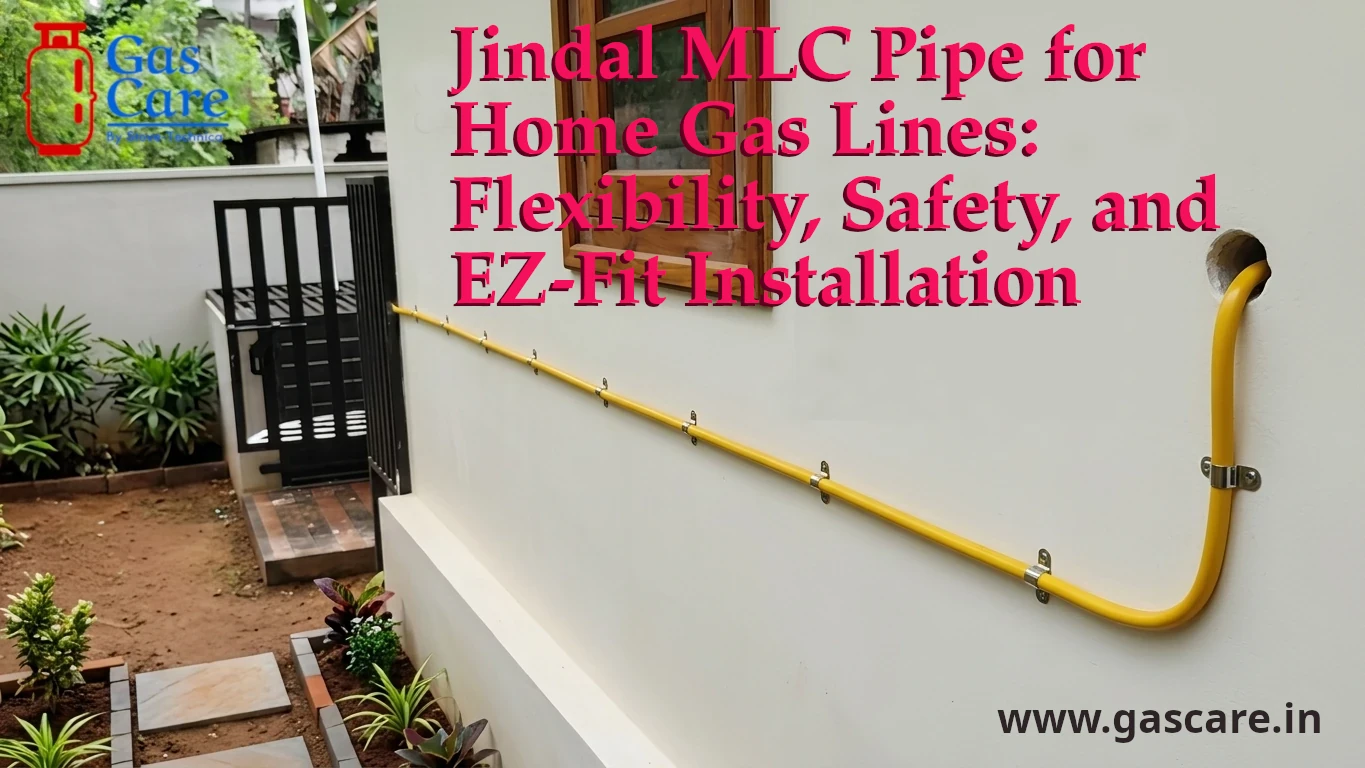
For most standard homes, the gas line runs visibly from an external regulator, along the kitchen wall, directly to the stove.
- The Aesthetic Edge: Rigid steel or copper pipes require a bulky 90-degree elbow fitting every time the pipe needs to turn a corner or navigate around a chimney duct. MLC pipe can be gently bent to follow the contours of your wall seamlessly. It requires fewer clip-supports and offers a much cleaner, streamlined look.
The Concealed Pipeline Application
Modern interior design often demands that all utilities be hidden inside walls or false ceilings.
- Safety in Secrecy: As we established in Part 1, joints are the weakest points of any pipeline. Because MLC can navigate long, complex routes inside a wall cavity with zero or minimal fittings, it drastically reduces the risk of an inaccessible joint leaking behind your expensive kitchen tiles.
The 2026 Economics: Cost of Installing Jindal MLC vs. Copper
At Stove-Technica, clients consistently ask us for the bottom line: How much does it cost to install a safe, concealed gas line? Let us break down the economics of Jindal MLC compared to traditional materials.
While exact prices fluctuate based on the length of the run and current raw material costs, here is how the total installation investment (including materials, fittings, and certified labor) generally compares:
| Pipeline Material | Initial Investment | Maintenance Cost (10 Years) | Best Financial Use Case |
| Mild Steel (MS) | Lowest (Budget) | High (Requires repainting, rust repair) | Temporary or outdoor industrial lines. |
| Jindal MLC (PE-AL-PE) | Moderate (Value) | Zero (Rust-proof) | Residential kitchens, apartment retrofits. |
| Brazed Copper | Highest (Premium) | Zero (Permanent) | High-end luxury villas, multi-generational homes. |
The ROI of EZ-Fit: The true cost-saving secret of the Jindal MLC system lies in the labor. Because the EZ-Fit compression system requires no high-heat brazing, expensive welding gases, or heavy threading machines, the labor hours are significantly reduced. You get a rust-proof, highly secure pipeline at a price point that sits comfortably between budget steel and premium copper.
Navigating Approvals: Apartment Societies and Gas Distributors
Installing a new gas pipeline is not just a plumbing upgrade; it is a structural modification that falls under strict fire safety regulations.
- RWA and Society Approvals: Modern apartment complexes have strict rules against using open flames or welding equipment inside furnished flats. Because the Jindal MLC EZ-Fit system is entirely heat-free and requires no brazing torches, it is highly favored by Resident Welfare Associations for safe indoor retrofitting.
- Gas Distributor Compliance: Whether you use Indane, Bharat Gas, or HP, your indoor pipeline must meet local safety norms. By utilizing strictly BIS-certified (IS 17544:2022) gas-rated pipes and adhering to proper clipping distances and ventilation rules, a Stove-Technica installation ensures your home remains fully compliant with major LPG distributors.
- Home Insurance Integrity: In the event of an accident, insurance surveyors investigate gas infrastructure. Using unauthorized water-pipes or degraded rubber hoses can void your fire insurance. A certified PE-AL-PE composite installation provides documented proof of a compliant, high-grade safety system.
The Gas Care 4-Step MLC Installation Protocol
Executing a flawless PE-AL-PE gas line requires strict adherence to safety codes. When you hire the certified engineers at Stove-Technica, here is the exact protocol we follow in your home:
- The Routing Audit: We inspect your kitchen to determine the shortest, safest route from the outdoor cylinder bank to your hob. We identify optimal bending points to ensure we use the absolute minimum number of EZ-Fit joints.
- Precision Cutting and Deburring: The Jindal MLC pipe is measured and cut using specialized radial cutters. The internal aluminum core is carefully deburred and recalibrated to ensure a perfectly smooth surface for the compression fitting.
- The EZ-Fit Integration: The pipe is inserted into the gas-rated compression fitting. Our technicians use calibrated tools to tighten the outer nut to the exact torque specification, creating a permanent, heat-free mechanical seal.
- The Pneumatic Drop Test: We seal the completed line and pump it full of compressed air at a high pressure. We monitor the pressure gauge for a sustained period. If the needle does not drop a single millimeter, the system is mathematically certified as 100% leak-proof.
The Final Gas Care Commissioning (Pressure Testing)
Regardless of how advanced the EZ-Fit system is, a pipeline is not safe until it is mathematically proven to be leak-proof.
Unlike water pipes which drip visibly when they leak, gas leaks are invisible. After installing your Jindal MLC pipeline, our technicians conduct a mandatory pneumatic pressure test. We seal the system and use a highly sensitive manometer to hold the line at a pressure significantly higher than standard LPG output. If the gauge holds perfectly steady, the EZ-Fit compression seals are verified, and the system is officially ready for your family’s daily use.
In previous sections, we explored the diffusion-tight PE-AL-PE structure of the Jindal MLC pipe, the heat-free safety of the EZ-Fit Installation system, and the critical importance of never mixing water-rated pipes with gas lines.
To conclude this definitive review, we have compiled the most frequently asked questions we receive from homeowners and architects.
The Gas Care Expert FAQs
When clients are deciding between traditional copper and the modern Jindal MLC system, they have highly specific technical questions. Here are the authoritative Stove-Technica answers.
Q: Is Jindal MLC Pipe actually as safe as Brazed Copper?
A: Yes, but they serve different engineering philosophies. Brazed copper is the “Buy It For Life” gold standard because a brazed joint is permanently fused metal. However, Jindal MLC is exceptionally safe because it drastically reduces the number of joints needed in the first place due to its flexibility. Furthermore, because the EZ-Fit system requires no blowtorches or open flames during installation, it is arguably the safer option to install inside an already furnished, wooden modular kitchen.
Q: Can rats or rodents bite through the plastic layers of the MLC pipe?
A: This is a common fear for those replacing old rubber Suraksha hoses. While rats can chew through standard rubber, the Jindal MLC pipe contains a continuous, solid aluminum core. It is highly rodent-resistant. A rat cannot chew through the metal layer to cause a gas leak, making it vastly superior to standard flexible hoses for outdoor-to-indoor transit lines.
Q: What is the expected lifespan of a Jindal MLC gas pipeline?
A: The PE-AL-PE composite pipe itself is incredibly durable and designed to last over 50 years without degrading, as it is completely immune to rust and corrosion. However, the rubber O-rings inside the mechanical EZ-Fit compression fittings have a slightly shorter functional lifespan (typically 20 to 30 years) compared to a permanent brazed copper joint.
Q: Can I bend the MLC pipe myself if I need to move my stove?
A: No. While the pipe is “flexible” for installation purposes, it is not a daily moving hose. It has a strict “Minimum Bend Radius” (usually 5 times the pipe’s diameter). If you try to bend it sharply by hand, you will kink the aluminum core, destroying the pipe’s structural integrity and creating a severe blockage or leak point. Always call a Gas Care technician if the primary line needs to be rerouted.
Q: Is MLC pipe cheaper to install than a Copper pipeline?
A: Yes. The raw material cost of PE-AL-PE pipe is lower than premium heavy-gauge copper. Additionally, because the EZ-Fit system is faster and requires no expensive brazing gases or high-heat labor, the overall installation cost is significantly lower. It is the perfect middle-ground: safer and longer-lasting than Mild Steel (MS), but more budget-friendly than Copper.
People Also Ask (PAA) – Gas Care Expert Answers
Is composite pipe (PE-AL-PE) safe for LPG gas lines?
Yes, gas-rated composite pipes like the Jindal MLC are extremely safe for residential LPG. The central aluminum core makes the pipe diffusion-tight, preventing gas from permeating the walls, while the outer plastic layers completely prevent rust. However, safety is only guaranteed if you use strictly gas-rated pipes and EZ-Fit fittings, rather than cheaper MLC pipes meant for water plumbing.
Can we conceal Jindal MLC gas pipe inside a kitchen wall?
Yes, Jindal MLC is an excellent material for concealed gas pipelines. Because the pipe is highly flexible, our Gas Care technicians can route it through complex wall cavities or false ceilings with minimal to zero joints. Since joints are the most common source of leaks, running a continuous, joint-free line behind your kitchen tiles drastically reduces the risk of hidden gas leaks.
Which is better for a home gas line: Copper or MLC pipe?
Both are premium upgrades over mild steel, but they serve different needs. Brazed copper is the absolute 50-year “gold standard” for architectural permanence and extreme fire resistance. Jindal MLC pipe is the modern, budget-friendly alternative that offers faster, heat-free installation (no welding required) and supreme flexibility, making it the ideal choice for retrofitting an already furnished modular kitchen.
Does MLC plastic pipe catch fire easily?
This is a common misconception. While the outer polyethylene (PE) layers can melt under direct, sustained flame, the internal aluminum core provides high structural integrity and keeps the gas contained. However, for maximum fire safety, Gas Care protocols dictate that the pipe should be properly sleeved if concealed, and kept at a safe, code-compliant distance from direct open burner flames.
Can rats bite through a Jindal MLC gas pipe?
Unlike standard flexible rubber “Suraksha” hoses—which are highly vulnerable to rodents and must be replaced frequently—the Jindal MLC pipe features a continuous, solid aluminum metal core sandwiched between its plastic layers. This makes it highly rodent-resistant. A rat cannot chew through the metal barrier to cause a gas leak, making it vastly superior for outdoor-to-indoor transit lines.
The Ultimate Conclusion: Smart, Flexible Safety
At Gas Care by Stove-Technica, we recognize that residential gas infrastructure must evolve alongside modern modular kitchen designs.
While heavy-gauge copper remains the ultimate premium choice for architectural permanence, the Jindal MLC Pipe represents the absolute forefront of installation efficiency and composite safety. By combining the rust-proof nature of polyethylene with the diffusion-tight strength of an aluminum core, it provides a leak-resistant, flexible pipeline that can be installed swiftly and safely without open flames.
Whether you are retrofitting an older apartment or building a new home, Jindal MLC with the EZ-Fit system offers a certified, highly reliable, and aesthetically clean solution for your family’s safety.
Ready to upgrade your home to a modern, heat-free gas pipeline?
👉 Click here to Request a Custom Jindal MLC Pipe Installation Quote from Gas Care by Stove-Technica.
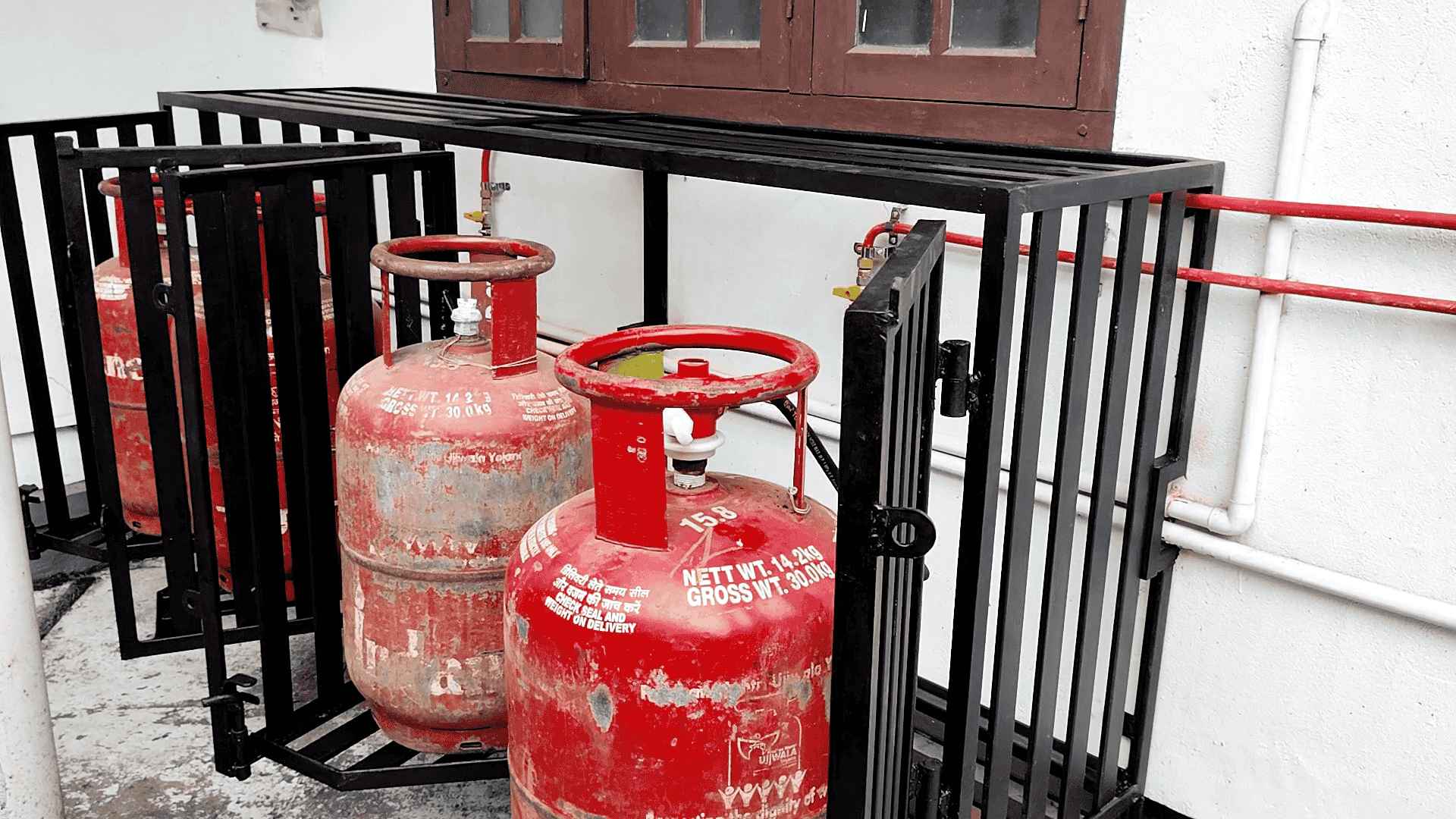
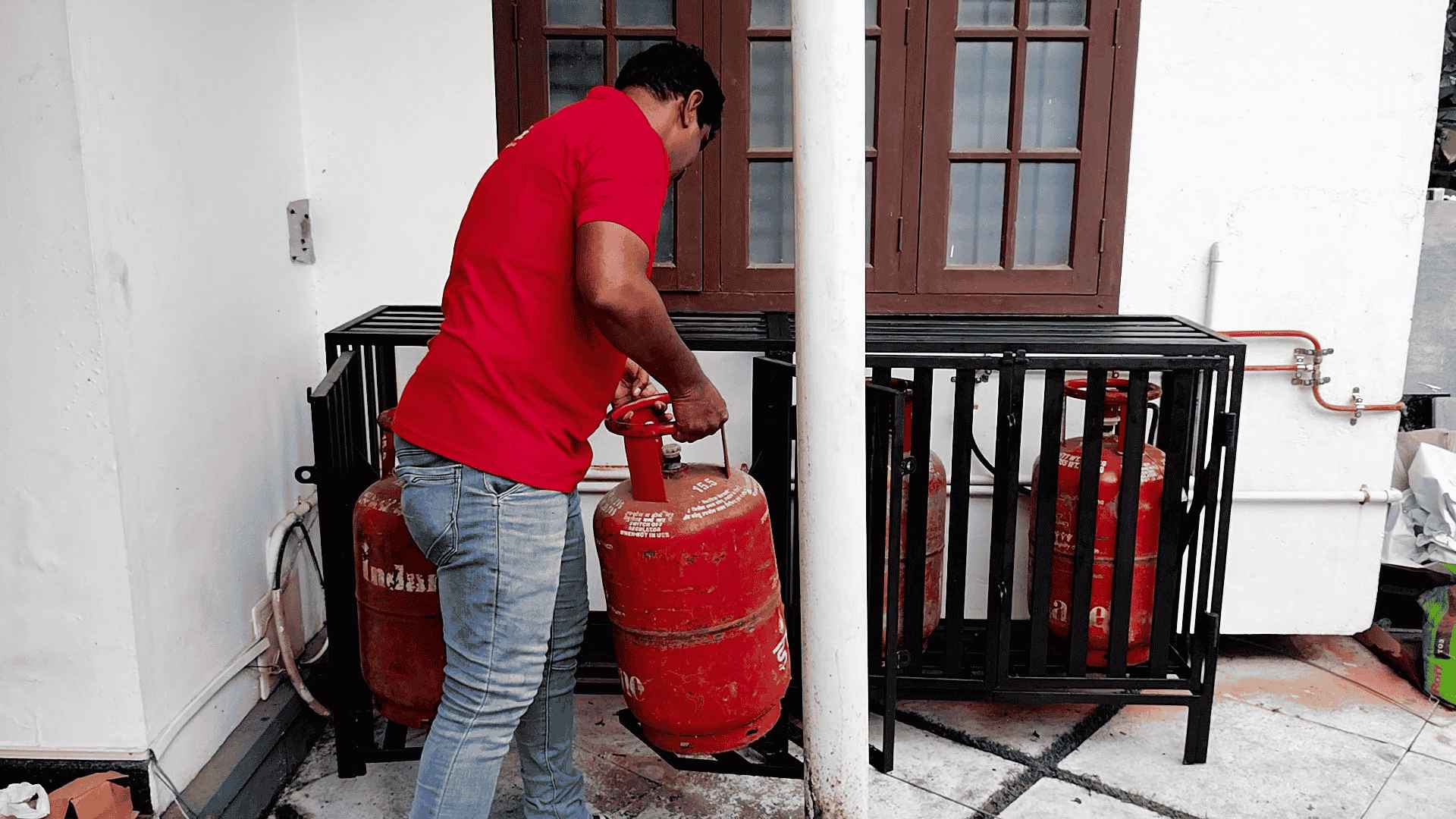
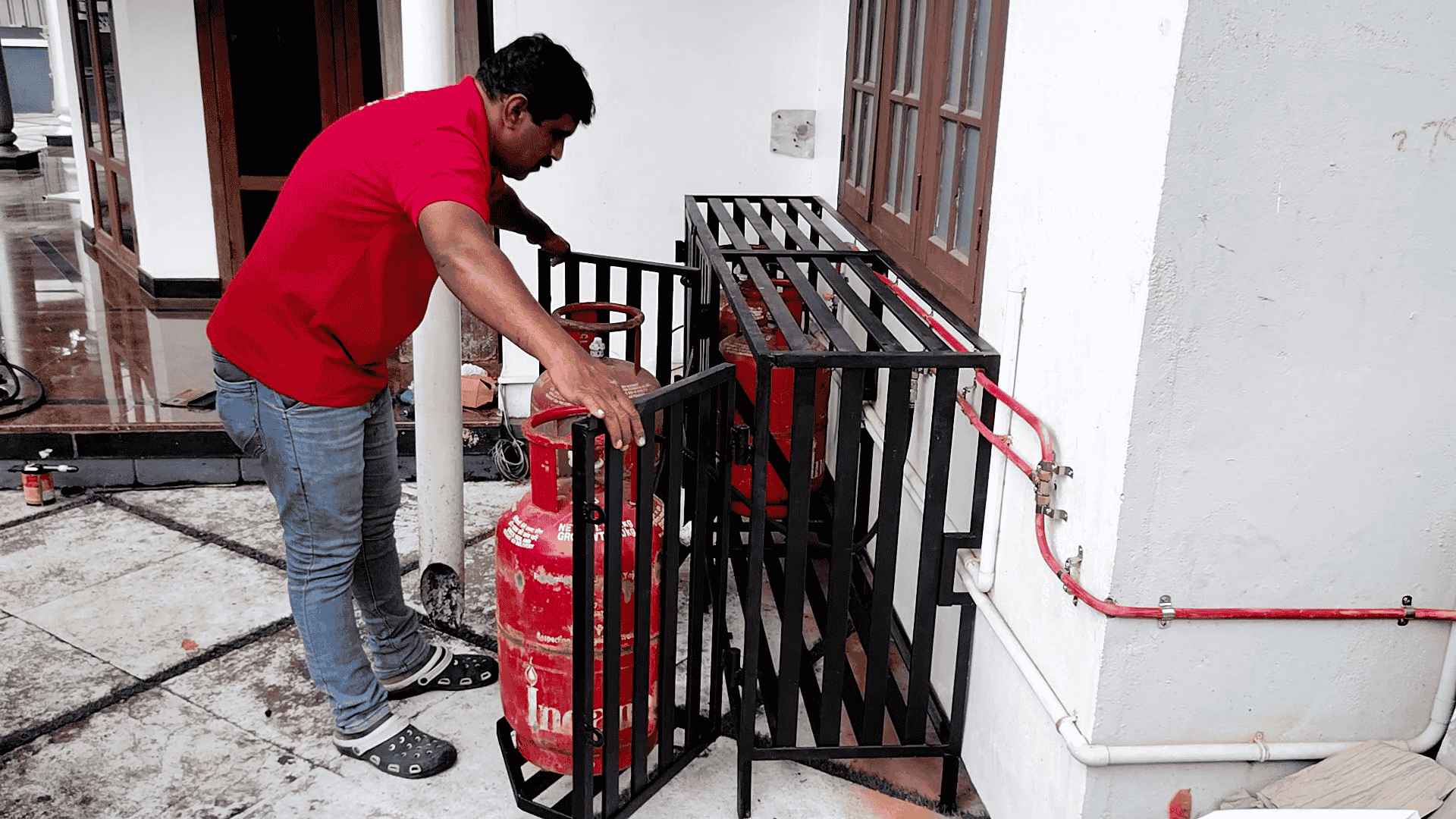
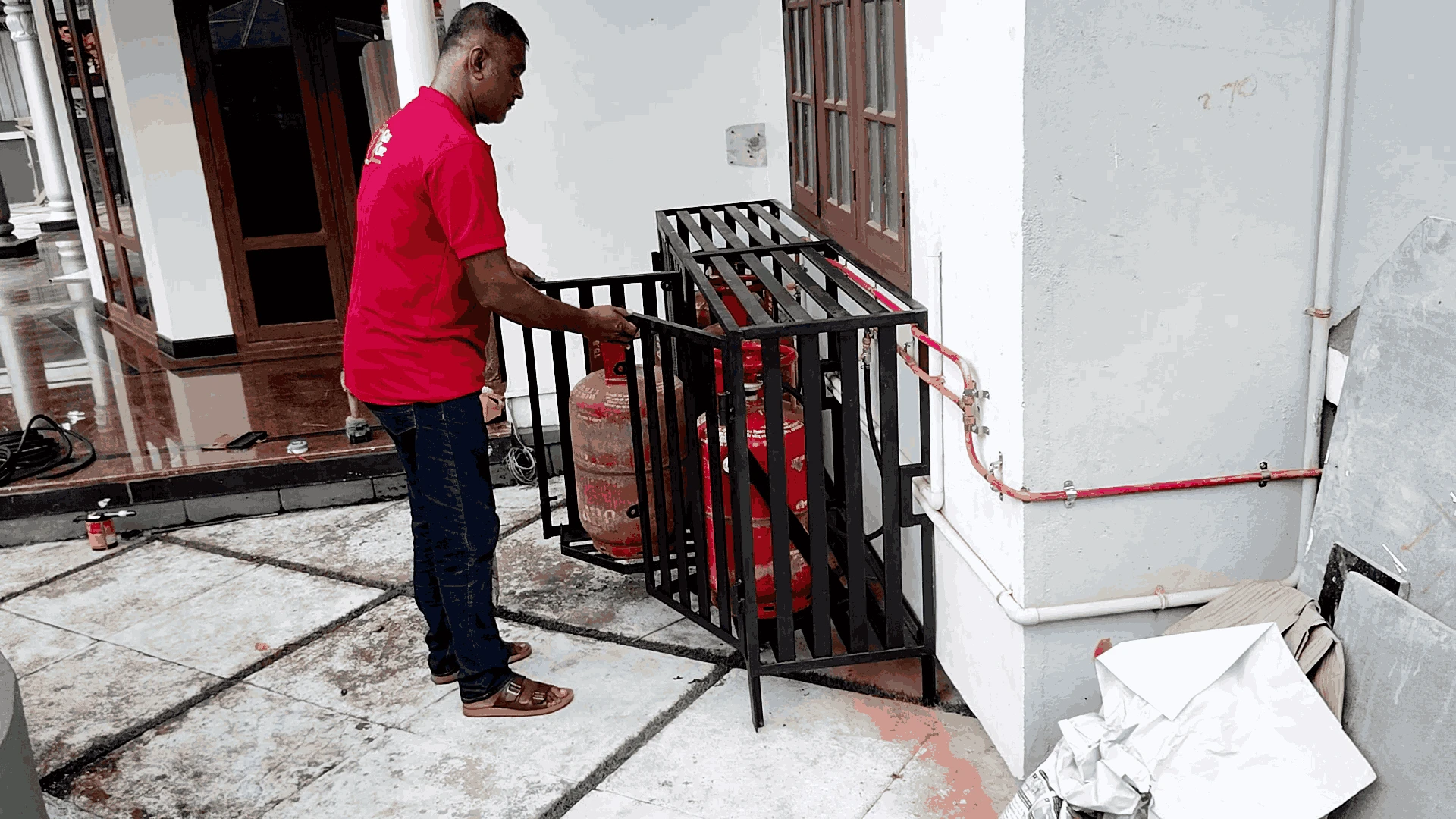
Watch Our Work Portfolio
See Our Craftsmanship in Action
Go beyond the words and witness the quality and precision that define Gas Care. Our video gallery offers a glimpse into our manufacturing process and real-world installations.
Connect with Gas Care on social media.
Questions? Talk to an Expert
Have questions or need assistance? Our expert team is ready to help. Get in touch with us, and we will provide the support and information you need to make the best decision for your home.