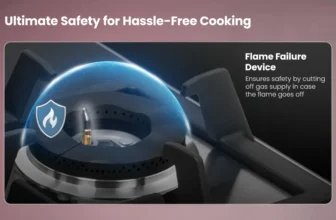
5 Best Burner Designs for Perfect Air-Fuel Mix & LPG Savings
Your monthly LPG bill is determined by a simple, often-overlooked factor: thermal efficiency. The key to maximizing this efficiency lies in the burner’s ability to achieve a perfect air-fuel mixture.
When LPG (fuel) mixes with the optimal amount of air (oxygen) before ignition, it results in complete combustion. The visible sign of this is a steady, quiet, vibrant blue flame. This blue flame transfers the maximum amount of heat to your cookware, reducing cooking time and saving gas.
A poor air-fuel mix results in a weak, noisy, and yellow-orange flame. This “sooty” flame is just unburnt, wasted fuel, which not only costs you money but also blackens your pans.
Here are the top 5 burner designs engineered for the best possible air-fuel mixing and maximum efficiency.
1. Tri-Pin Brass Burners
This design is one of the most popular and effective innovations found in modern Indian gas stoves, especially those using brass.
- How it Works (The Mixing Mechanism): Tri-Pin burners feature three (or sometimes four) small, precisely placed brass pins protruding from the burner head. These pins act as obstacles, creating turbulence in the gas as it flows out. This turbulence forces the gas to mix more thoroughly with the surrounding air just before it reaches the burner ports (holes).
- Why It’s Efficient: This enhanced mixing ensures a more complete, cleaner combustion. It’s a simple, durable, and highly effective way to improve the air-fuel ratio, resulting in a stronger, stable blue flame and less soot.

2. Multi-Jet Burners
This is a high-efficiency design that moves away from a single large ring of flame and instead uses multiple, smaller flame sources.
- How it Works (The Mixing Mechanism): Instead of one large outlet, a multi-jet burner features several small, individual nozzles that release gas in multiple fine jets. This design dramatically increases the surface area where the gas can mix with the air. Think of it like trying to light one large log versus many small, dry twigs—the twigs (jets) mix with air better and ignite more efficiently.
- Why It’s Efficient: Each fine jet achieves a near-perfect air-fuel mix, leading to incredibly high combustion efficiency and superior flame stability, reducing fuel use.
3. The Hi-Star Burner (BPCL Design)
This is a specific, advanced design developed by Bharat Petroleum (BPCL) with the explicit goal of reducing LPG consumption.
- How it Works (The Mixing Mechanism): The innovation in the Hi-Star burner is its specially engineered mixing tube. This tube is designed to enhance “primary air entrainment” (the process of drawing air into the tube). It creates a stoichiometric mixture—the perfect chemical balance of air and gas—for ideal combustion.
- Why It’s Efficient: This advanced design is scientifically proven to improve combustion, achieving a thermal efficiency of around 74% (a significant jump from the standard 60-65%). This directly translates to lower LPG consumption, less smoke, and reduced odor.
4. Venturi Burner (The Foundational Principle)
This isn’t a type of burner head so much as the foundational science used in most modern gas stoves to initiate the air-fuel mix.
- How it Works (The Mixing Mechanism): The Venturi effect is a physics principle. Gas from the cylinder is forced at high speed through a narrowed section (a “throat”) in the mixing tube. This high speed creates a drop in pressure (a partial vacuum), which actively sucks the primary air into the tube through a small air shutter.
- Why It’s Efficient: This design pre-mixes the air and gas before it even reaches the burner head, which is the entire basis of efficient combustion. High-end models feature adjustable air shutters to fine-tune this mix perfectly.
5. Sabaf Burners (The Premium Benchmark)
Sabaf is an industry-leading Italian brand, and its burners are considered the benchmark for premium and commercial ranges. They combine multiple principles for optimal performance.
- How it Works (The Mixing Mechanism): Sabaf burners use a combination of a precision-engineered Venturi mixing tube and multi-hole flame ports. The air-gas channels are designed with extreme precision to ensure a consistent, homogenous mixture.
- Why It’s Efficient: They are designed for consistent, high-output, and perfectly clean combustion across a wide range of settings (from low simmer to high sear). This is why they are the burner of choice for high-end hobs where performance and reliability are non-negotiable.
Summary: How Top Burner Designs Mix Air and Fuel
| Burner Design | Air-Fuel Mixing Mechanism | Typical Application |
| Tri-Pin Brass | Small brass pins create turbulence to force-mix air and gas. | Indian domestic gas stoves |
| Multi-Jet Burners | Multiple fine gas jets increase the surface area for mixing. | High-efficiency gas stoves |
| Hi-Star Burner | Engineered air intake tube ensures a perfect stoichiometric mix. | BPCL fuel-efficient cooktops |
| Venturi Burner | Gas jet creates negative pressure (vacuum) to suck in air. | Foundational design in most stoves |
| Sabaf Burners | Precision-engineered channels and multi-hole design. | Premium and commercial stoves |
Frequently Asked Questions (FAQs) about Gas Stove Burner Efficiency
These FAQs provide in-depth answers covering the science, technology, and practical benefits of burner designs optimized for air-fuel mixing and LPG savings.
I. The Science of Efficiency (Air-Fuel Mix)
Q1: What is “air-fuel mixing” and why is it so important for a gas stove?
A: Air-fuel mixing is the process of combining LPG (fuel) with the right amount of air (oxygen) before it gets ignited. This pre-mixing is critical. A perfect mixture, called a stoichiometric mixture, results in complete combustion, which produces a stable, hot, and efficient blue flame.1
Q2: Why is a blue flame considered more efficient than a yellow or orange flame?
A:
- Blue Flame (Efficient): Indicates complete combustion.2 The burner is mixing the fuel with enough air, maximizing heat output for the amount of gas used. This is what saves you LPG.
- Yellow/Orange Flame (Inefficient): Indicates incomplete combustion.3 This “sooty” flame is a sign that the burner is not getting enough air. It’s wasting gas (releasing unburnt fuel particles), producing less heat, and blackening your pots and pans.4
Q3: What is “thermal efficiency” in a gas stove, and how do these burners affect it?
A: Thermal efficiency is the measure of how much heat from the flame is actually transferred to your cookware, versus how much is wasted. Standard stoves might be 60-65% efficient. Advanced burner designs (like Hi-Star or Multi-Jet) optimize the air-fuel mix and flame shape to achieve efficiencies of 70-74% or higher, directly reducing your LPG consumption.
II. Specific Burner Design Comparisons
Q4: How does a Tri-Pin burner improve combustion efficiency?
A: Tri-Pin burners use three (or more) small brass pins protruding from the burner head. These pins create turbulence in the gas flow just before ignition. This turbulence forces the gas and air to mix more thoroughly, resulting in a cleaner, more complete (blue) flame and reducing soot.
Q5: Are Multi-Jet burners better than Tri-Pin burners?
A: Both are high-efficiency designs, but they work differently. A Tri-Pin burner improves the mix for a single large flame. A Multi-Jet burner creates several smaller, fine jets of flame.5 Because each small jet has a large surface area for mixing with air, Multi-Jet burners are often considered one of the most efficient designs for achieving a perfect air-fuel ratio and high flame stability.
Q6: What is a BPCL Hi-Star burner, and is it better than a standard brass burner?
A: The Hi-Star burner (developed by Bharat Petroleum) is a high-performance design that is demonstrably better than standard burners.6 Its innovation lies in a specially engineered mixing tube that optimizes the “Venturi effect” to draw in the perfect amount of primary air, achieving a near-stoichiometric mixture. This results in a proven thermal efficiency of ~74%, one of the highest available.
Q7: Why are Sabaf burners considered a premium, high-efficiency option?
A: Sabaf burners, an Italian design, are considered a premium benchmark because they are built with extreme precision.7 They combine a highly optimized Venturi mixing tube with precisely engineered multi-hole flame ports. This ensures a consistent, perfectly homogenous air-fuel mix across all settings, from a tiny simmer to a high-powered sear, making them exceptionally reliable and efficient.
III. Troubleshooting and Practical Advice
Q8: My stove has a yellow flame. Is the burner’s design the problem, or is it maintenance?
A: In 9 out of 10 cases, a sudden yellow flame is a maintenance problem, not a design flaw. It is almost always caused by clogged burner ports (from food spills or grease) or a dirty air shutter (spider webs are a common culprit). Before blaming the design, you should thoroughly clean the burner ports and the mixing tube area.
Q9: Can I adjust the air-fuel mixture on my current gas stove?
A: Possibly. Many gas stoves have a Venturi tube with a small, adjustable “air shutter” (a metal sleeve with a window).8 If your flame is yellow and you’ve already cleaned the burner, a technician (or a skilled user) can GENTLY slide this shutter open or closed to change the air intake. This fine-tunes the air-fuel mixture to restore the blue flame.
Q10: To save the most LPG, what is the most important burner feature to look for when buying?
A: While all these designs are excellent, the most critical feature to look for is a High-Efficiency Brass Burner. The brass material ensures long-term durability and prevents the burner ports from warping (unlike aluminum).9 When paired with an advanced design like Tri-Pin or Multi-Jet, you get the best combination of longevity and high thermal efficiency for maximum LPG savings.
Final Verdict
To save the most on your LPG bill, look for stoves that actively advertise these efficient designs. While a Sabaf or Hi-Star burner represents peak technology, any stove featuring Multi-Jet or Tri-Pin Brass Burners will offer a significant efficiency upgrade over older, standard aluminum burners.
Would you like to view a detailed comparison between Brass Burners and Aluminum Burners to understand how the material also affects efficiency and durability?
Today’s Top Gas Stove Deals

Elica Hob 3 Burner Auto Ignition Glass Top – 2 SWIRL Burner and 1 Dual Brass Burner (PRO MFC 3B 70 DX SWIRL)

Glen Gas Stove 4 Burner Toughened Glass Top | LPG Gas Stoves 57 cm Extra Large | 1 Jumbo Brass Burners | Black | Manual Ignition | ISI Certified |…

Prestige Gas Stove Perfect – Three Burner, Manual Ignition, Metallic Silver

Haute Evoque series 3.0 4Burner Manual Stove | 2MM Stainless Steel | ISI Certified |LPG and PNG|Door Step Service |10 – Year warranty by Haute Home

Haute Evoque series 3.0 3Burner Manual Stove | 2MM Stainless Steel | ISI Certified |LPG and PNG|Door Step Service |10 – Year warranty by Haute Home

Glen 3 Burner Built-in Hob & Hobtop 70 cm | 8mm Toughened Glass Top | Auto Ignition | Forged Brass Double Ring Burners | Black | ISI Certified |…


Faber 4 Burner 70cm Hob |Auto-Ignition| HOB PRIME HT704 CRS BR CI AI |Metal Knobs| Cast Iron Pan Support |Hob/Cooktop Hybrid| Black Glass Finish |5…
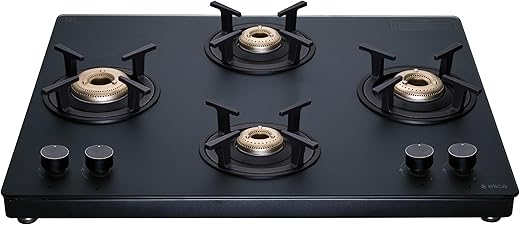
Elica 70cm 4 Burner Gas Stove | MATT TKN 694 CT VETRO 2J BK | Matt Finish Tougened Glass | Heavy-Duty Forged Brass Burners | Round Metallic Knobs |…
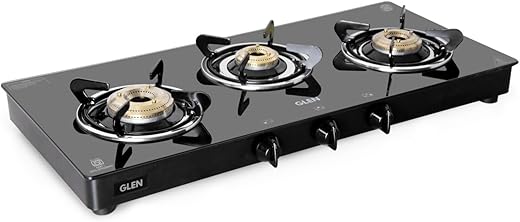
Glen Gas Stove 3 Burner Toughened Glass Top | LPG Gas Stoves72 cm Extra Large | High Flame Brass Burners Gas Stove Black | Manual Ignition ISI…


BLOWHOT Auto Ignition Jasper Heavy Tornado Brass 4 Burner Gas Stove Cooktop | Toughened Glass Cooktop | ISI Certified – Stainless Steel Frame Black


KOCHE Bren Cooktop 2 Burner | High Powered Premium Indian Brass Burners Gas Stove, ISI Certified Toughened Glass Gas Cooktop, High Thermal…
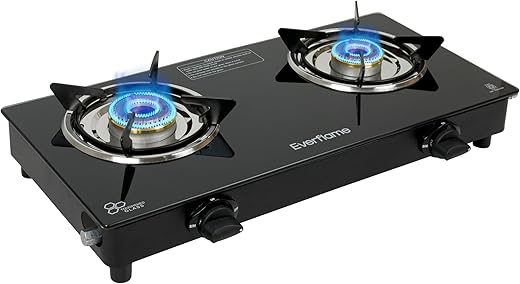

BLOWHOT Sapphire 5G Premium Design 2 Burner Manual Ignition Gas Stove Slimmest ISI certified, Toughened Glass Cooktop, Stainless Steel Frame, 5…

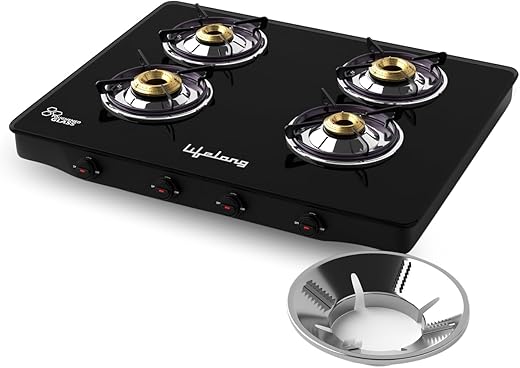
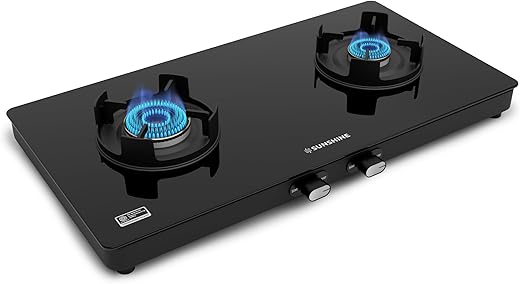
Sunshine Regal Pro | 2 Burner Glass Gas Stove | Toughened Glass Cooktop | ISI Certified | Manual Ignition | 5G technology, LPG Ready & PNG…


Glen 4 Burner Ultra Slim Premium Gas Stove 75 cm | Auto Ignition | 8 MM Toughened Glass Top | Revolving Inlet Nozzle | Black | Forged Brass Burners…
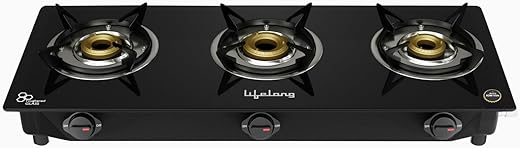
Lifelong 3 Burner Open Heating Gas Stove Top For Kitchen-Automatic Ignition Cooktop Modern Glass Stove For Modular Kitchen,Isi Certified&Compatible…
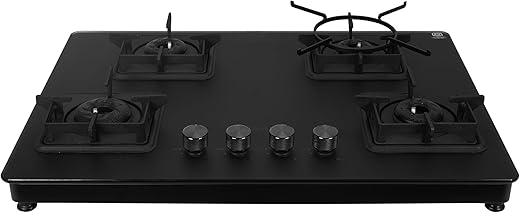
Faber Evoke 4 Burner 65Cm Cooktop |Auto Ignition| |Metal Knobs| MS Diamond Coated Pan Support | Matt Black Glass Finish |5 Yrs Warranty On Glass &…

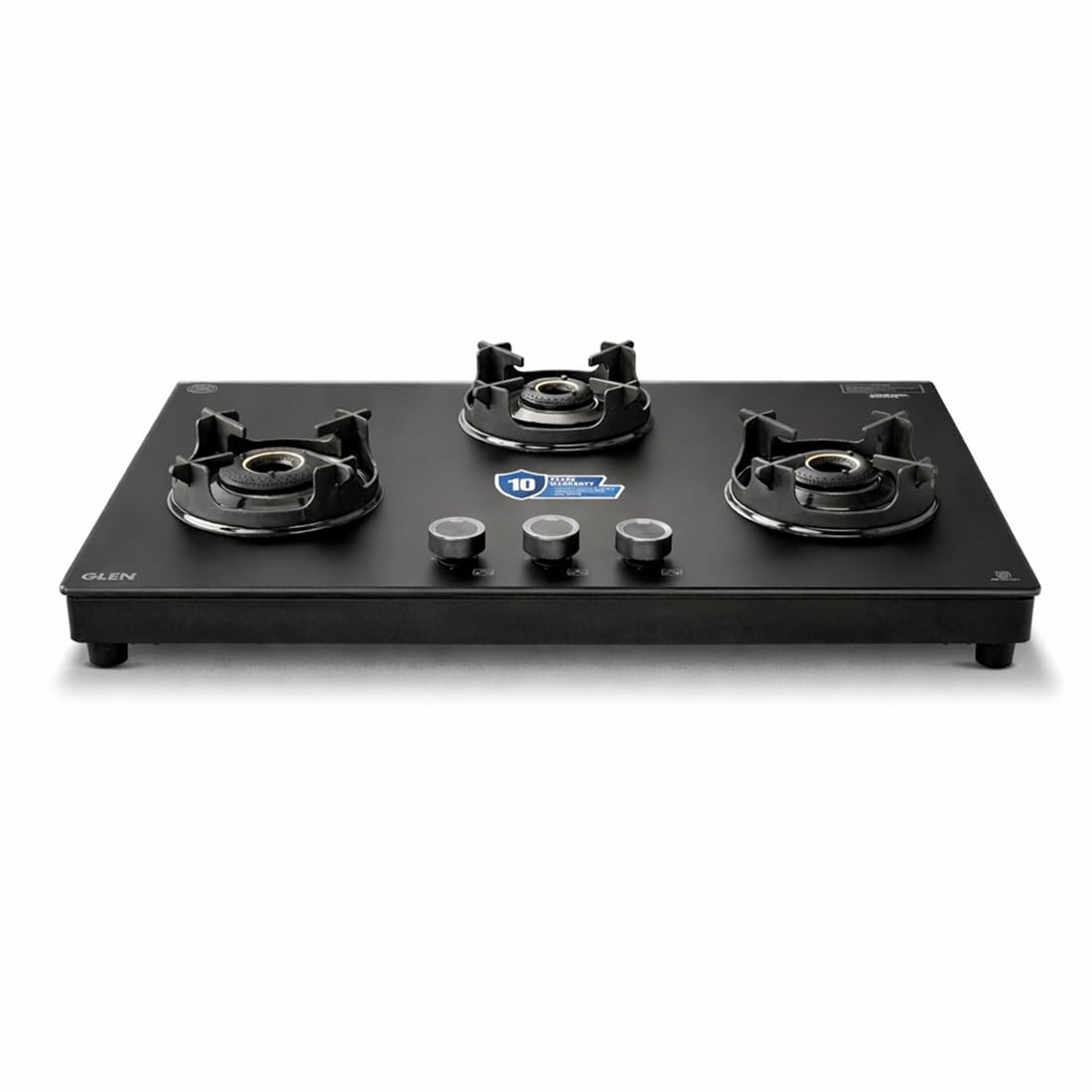
Glen Ultra Slim LPG Gas Stove 3 Burner | Matt Finish Glass & Frame | 10 Years Warranty | High Flame Forged Brass Burners | Smart & Stylish Kitchen…

Pigeon by Stovekraft Aster 4 High Powered Brass Burner Gas Stove, Cooktop with Glass Top and Stainless Steel body, Manual Ignition (Black)


Milton Elite Hob Top Cooktop 3 Burners LPG Gas Stove | Manual Ignition | 8mm Toughened Glass Top | ISI Certified | | 360 Degree Nozzle | Modern…

Sujata 3 Burner Gas Stove Glass Top | 9 Years Warranty | Premium Gas Stove with Jumbo Brass Burners | SABAF Technology | ISI Certified | LPG & PNG…